Welcome to
History.
A simple timeline
From its Saxon roots as West Burgh – “the fortified place in the west” – Westbury has grown, adapted and reinvented itself for nearly a thousand years.
First recorded in the Domesday Book of 1086, the town, previously held by Edith, wife of the Saxon King Edward the Confessor but now held by William I, was then a thriving estate of around 5,000 acres. Its population was probably in the region of 600 including 9 beekeepers, 29 pigmen and an unspecified number of potters. By the Middle Ages, Westbury was bustling: a weekly market and annual fair were established and by 1448, the town was sending representatives to Parliament.
From the 16th century onwards, Westbury became a powerhouse of high-quality cloth production. What began as a cottage industry soon expanded into fulling mills and busy workshops, helping the town prosper well into the 19th century. This success left a lasting legacy – the Laverton family’s philanthropy gifted Westbury the Laverton Institute, Public Baths and Prospect Square almshouses.
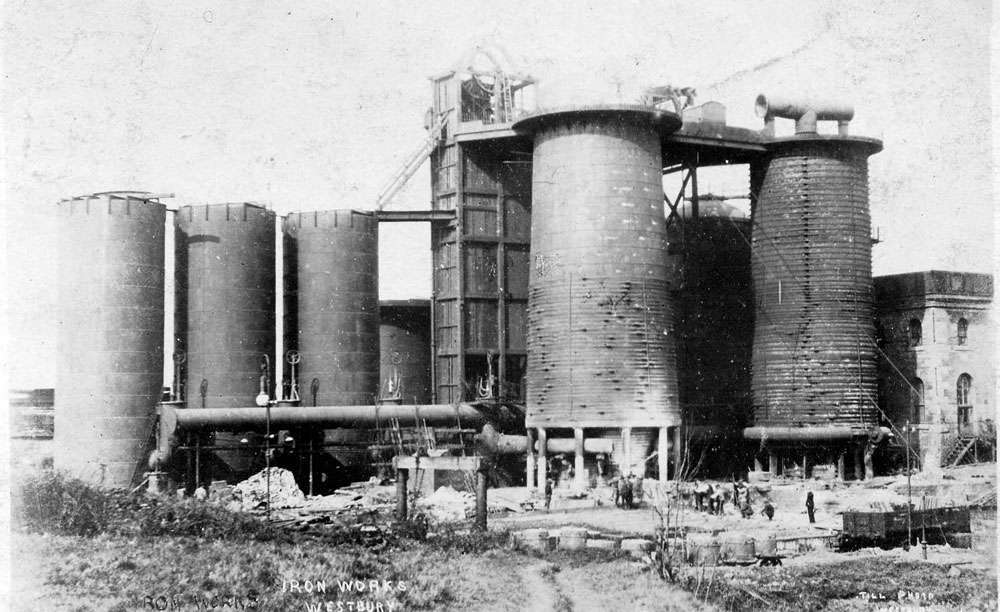
As the cloth industry waned, Westbury found new life with the arrival of the railway in 1848 and the discovery of local iron ore. Today, the town’s traditional trades have given way to a mix of modern industries but Westbury remains well-connected thanks to its railway station on the direct line from London to the West Country.
Westbury’s story is one of resilience, reinvention and community spirit – and our museum celebrates every chapter.
Click on the images below for further information on the History of Westbury